 Implants

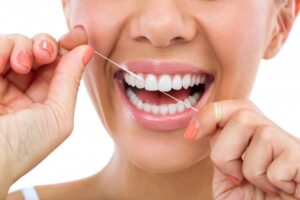
Dental floss may seem like a simple tool, but it has a surprisingly rich history. Over the years, floss has evolved from basic natural fibers into advanced, user-friendly products designed to make interdental cleaning easier and more effective. Understanding how dental floss has changed helps highlight why it remains a critical part of modern oral hygiene.
Early Beginnings of Dental Floss
The concept of cleaning between teeth dates back centuries. Ancient civilizations used materials such as horsehair, silk threads, or thin strips of wood to remove food debris lodged between teeth. These early methods were rudimentary, but they showed an early understanding of the importance of cleaning areas a toothbrush couldn’t reach.
Modern dental floss began in the early 1800s when dentists started recommending silk thread for interdental cleaning. In 1815, Dr. Levi Spear Parmly, often referred to as the “father of dental floss,” promoted the use of silk floss to prevent tooth decay and gum disease. His advocacy laid the foundation for flossing as a daily oral hygiene habit.
The Transition to Mass Production
Dental floss became more widely available in the late 1800s when silk floss was commercially produced. As awareness of oral health increased, flossing gained popularity among dental professionals and patients alike. However, silk floss had drawbacks; it was expensive and tended to fray or break easily.
World War II marked a major turning point. Due to silk shortages, manufacturers began producing floss from nylon. Nylon floss proved to be stronger, more durable, and more affordable, making floss accessible to a wider population. This shift helped cement flossing as a standard part of daily oral care.
Innovations for Comfort and Convenience
As dental technology advanced, floss continued to improve. Waxed floss was introduced to reduce fraying and allow smoother movement between tight teeth. Later, unwaxed floss became available for those who preferred a thinner option. Flavored flosses were also developed to enhance the flossing experience and encourage regular use.
In recent decades, floss has evolved to accommodate different needs. Options now include dental tape for wider spaces, textured floss for better plaque removal, floss picks for convenience, and eco-friendly floss made from biodegradable materials. These innovations aim to make flossing easier, more comfortable, and more appealing for users of all ages.
Today, dental floss remains an essential tool for preventing cavities and gum disease. While its design has evolved significantly, its purpose remains the same: removing plaque and debris from places toothbrushes cannot reach. The evolution of dental floss reflects a growing understanding of oral health and a commitment to making preventive care more accessible and effective.
About the Practice
At Prairie View Dental, we believe preventive care is the basis for good oral health. That’s why we invite you to our practice where we see patients of all ages, from children to grandparents. Our three phenomenal and experienced women dentists will see that you get the best treatment possible, and we’re also in-network with several major dental insurances. Come see why we’re a trusted provider of preventive care. Book an appointment online or call (815) 895-6100.