
 Implants
 Reviews
Read Our Reviews
Call
Give us a Call
Map
View our Map
Implants
Reviews
Read Our Reviews
Call
Give us a Call
Map
View our Map
Reviews
Read Our Reviews
Call
Give us a Call
Map
View our Map
Implants
Reviews
Read Our Reviews
Call
Give us a Call
Map
View our Map
Oral health problems like tooth decay and gum disease typically start out small and unnoticeable, but can quickly turn into a larger, more painful and expensive problem if left untreated.
While brushing and flossing at home is essential for keeping your smile healthy and strong, they don’t go far enough to keep your mouth in optimal health. To maintain your oral health and spot any issues before they have a chance to get worse, the ADA recommends you schedule a preventive checkup and cleaning twice a year, or every six months.
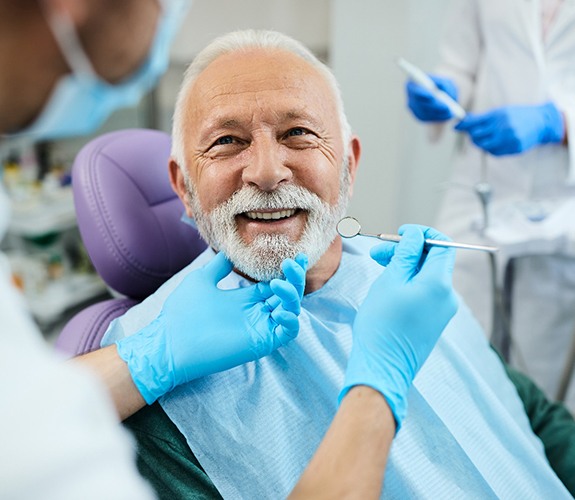
While it can be tempting to skip your routine dental checkups if your mouth looks and feels fine, doing so can cost you more in the long run.
Dental cleanings can remove built on deposits of plaque that could eventually cause a cavity, and cavities can be detected and treated before they eventually need a crown or root canal.
In most cases, dental insurance covers two checkups and cleanings per year, but unfortunately fillings and other restorative procedures usually result in out-of-pocket expenses.
Routine checkups can also reduce the occurrence of dental emergencies by diagnosing small problems before they have a chance to get worse.
While we understand that most people lead a busy, hectic life, taking the time out of your schedule for two brief dental visits each year could save you more time overall by helping you to avoid the need for invasive and time-consuming procedures such as root canals or tooth extractions.
Furthermore, poor oral health has been linked to several dangerous medical conditions including heart disease and diabetes, so regular preventive care could even reduce the risk of developing these conditions.
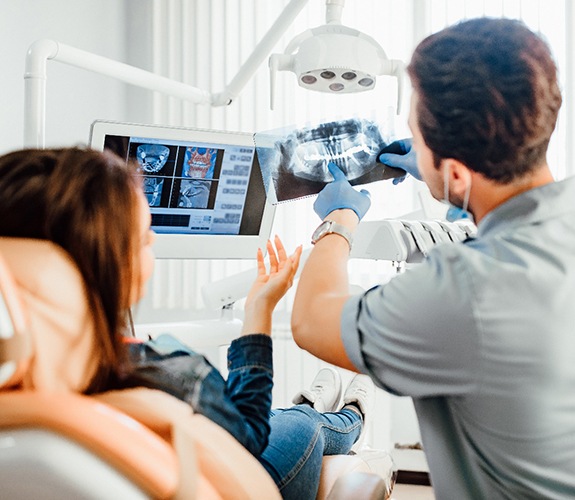
During your dental checkup, your dental team will work together to:
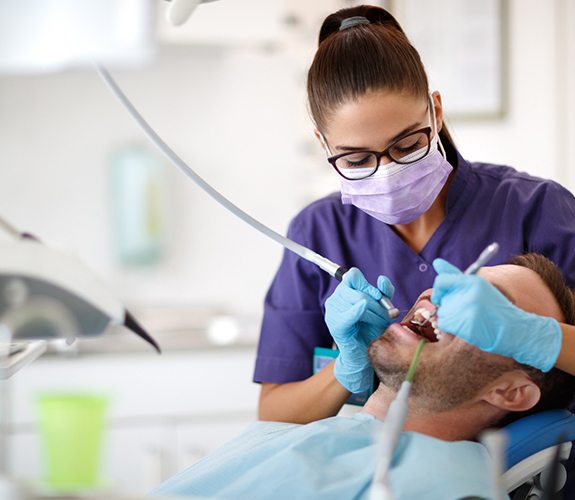
Even with daily brushing and flossing, there are parts of your mouth that are impossible to clean on your own at home. That’s why routine professional cleanings are so important. During this portion of your appointment, your dental hygienist will use special instruments to remove plaque and tartar that have built up on and between your teeth and along your gumline. By removing these deposits, it will reduce your risk of tooth decay, gum disease, and even chronic bad breath.
Then, your teeth will be polished, removing minor surface stains, and flossed to clear away any particles of debris loosened from the cleaning.